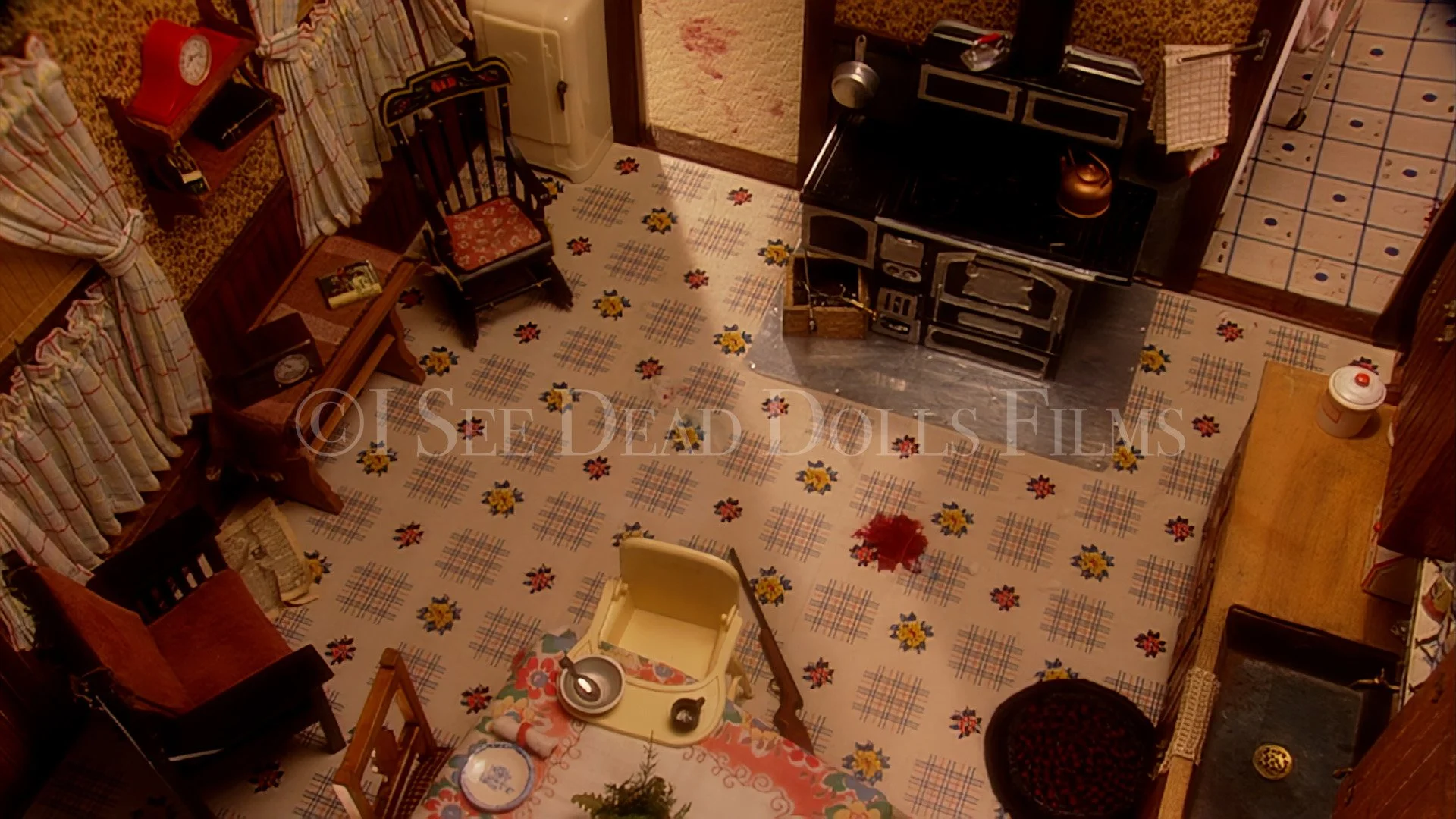
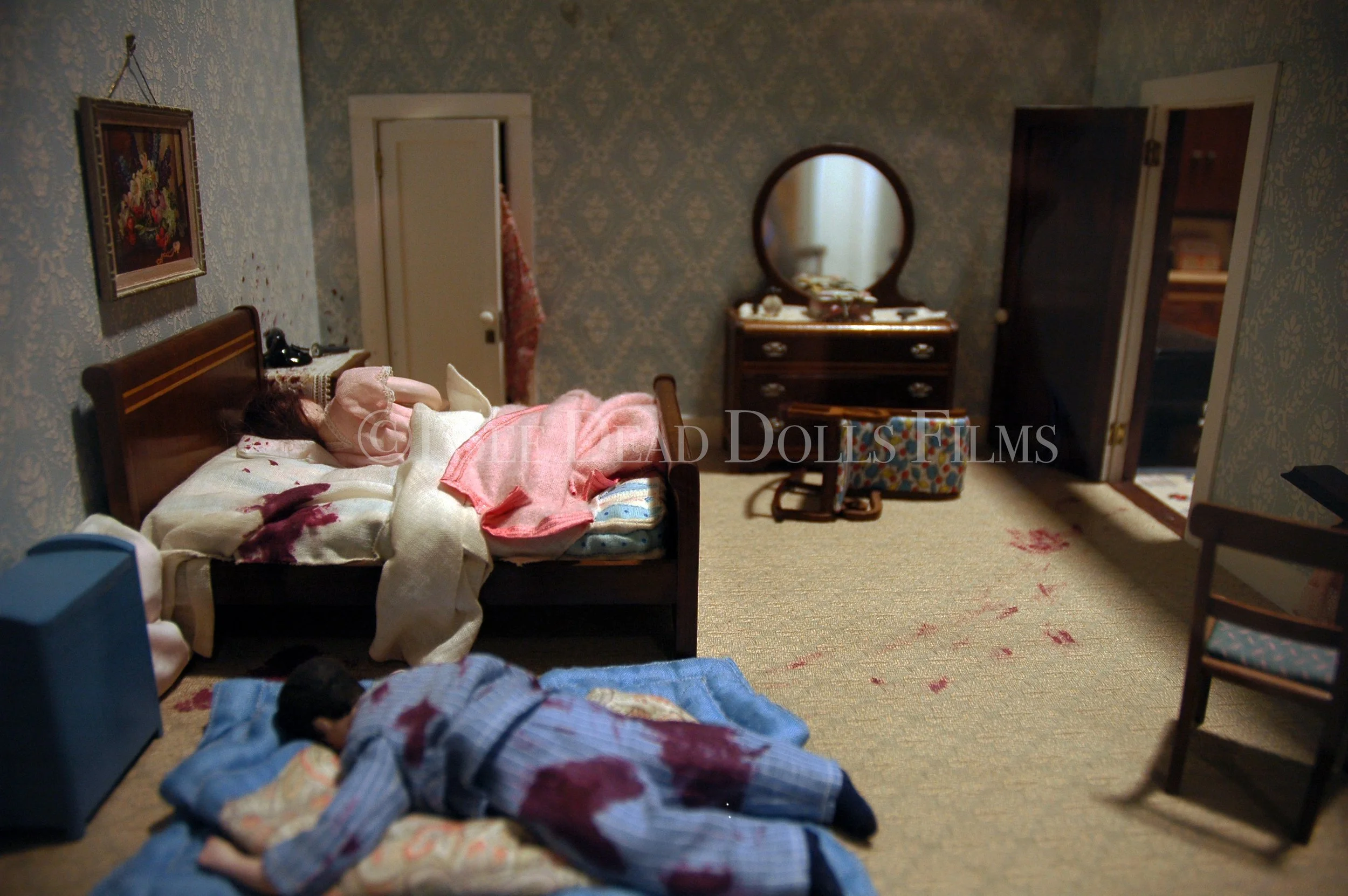
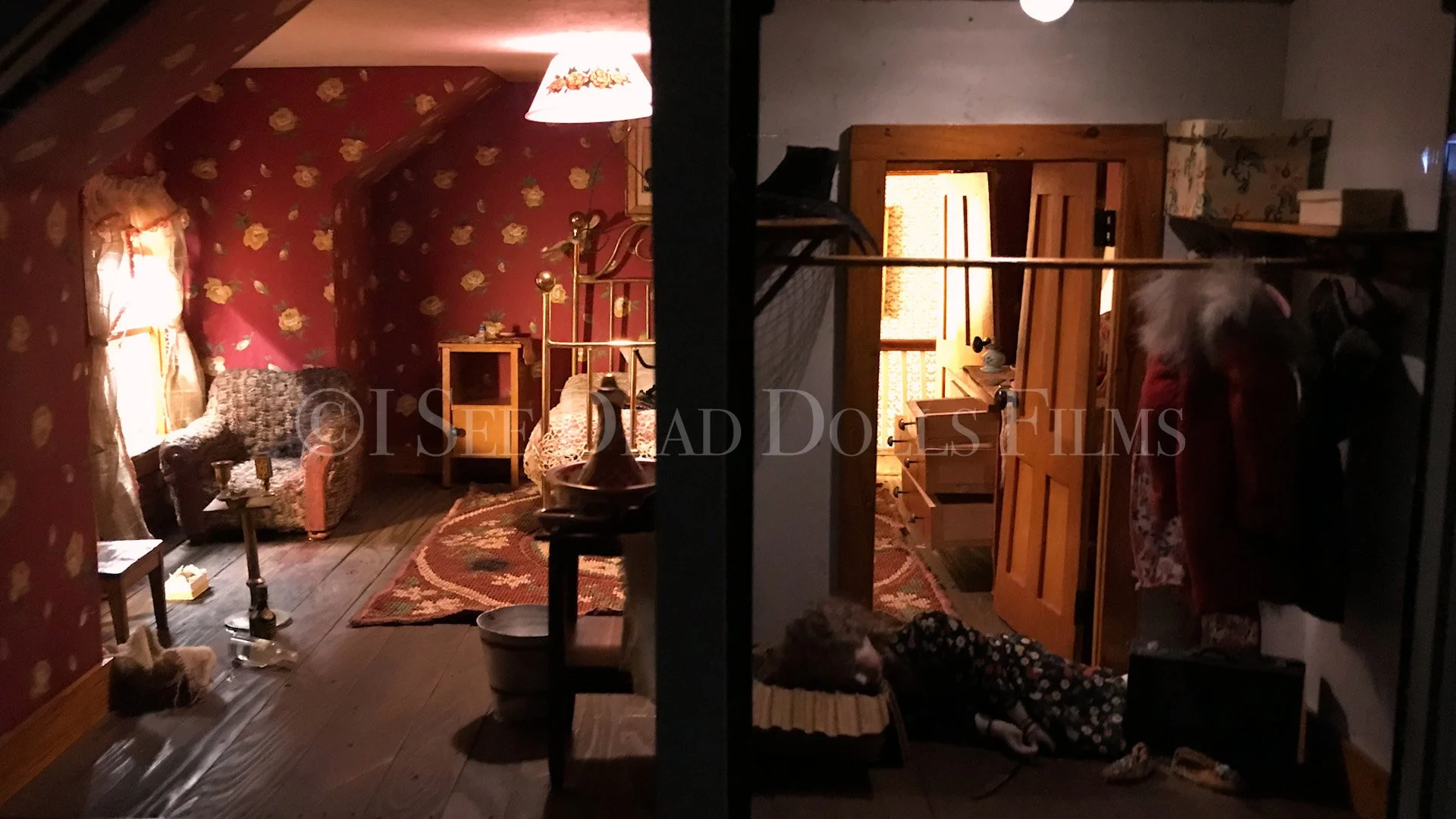
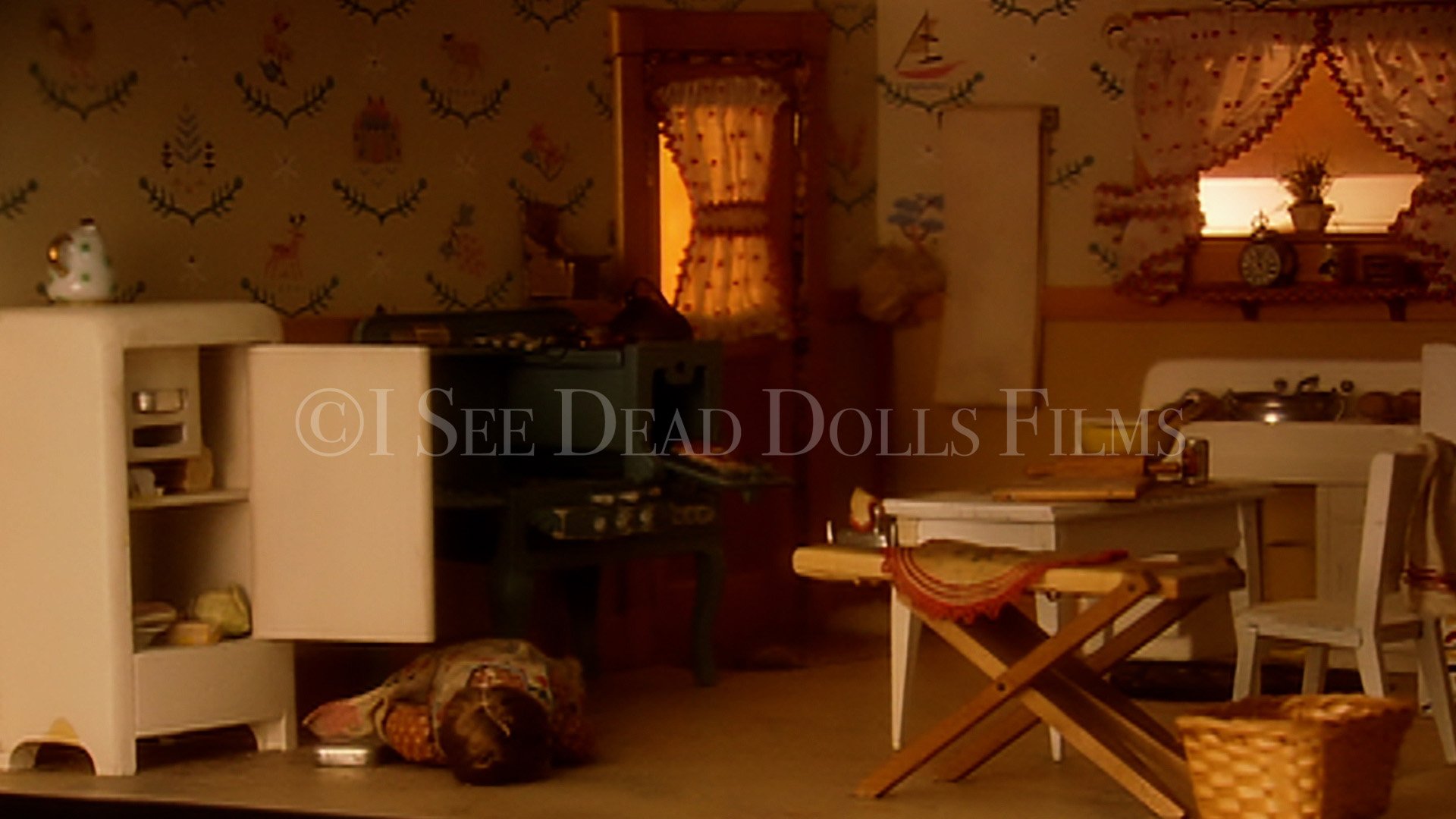
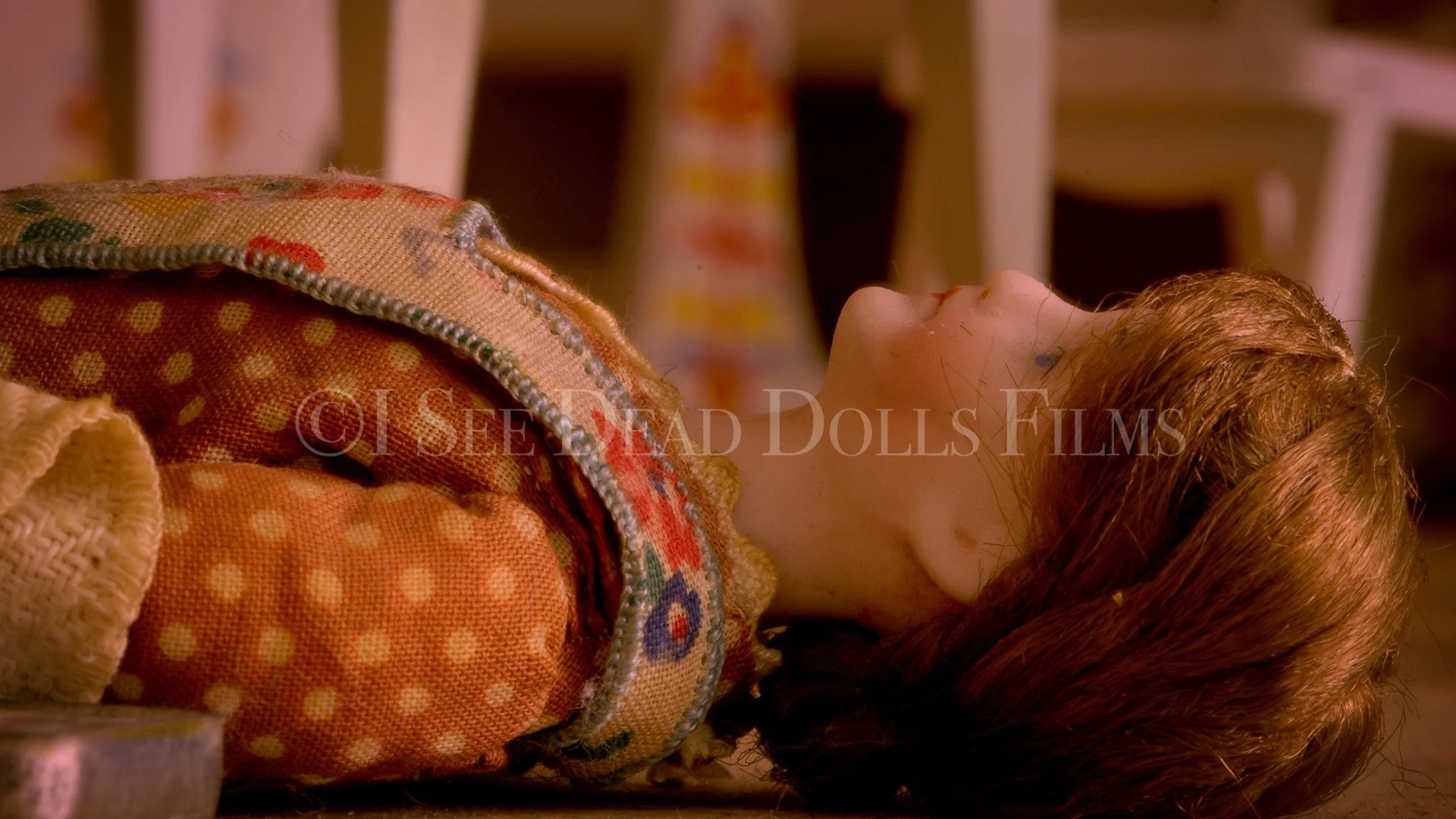
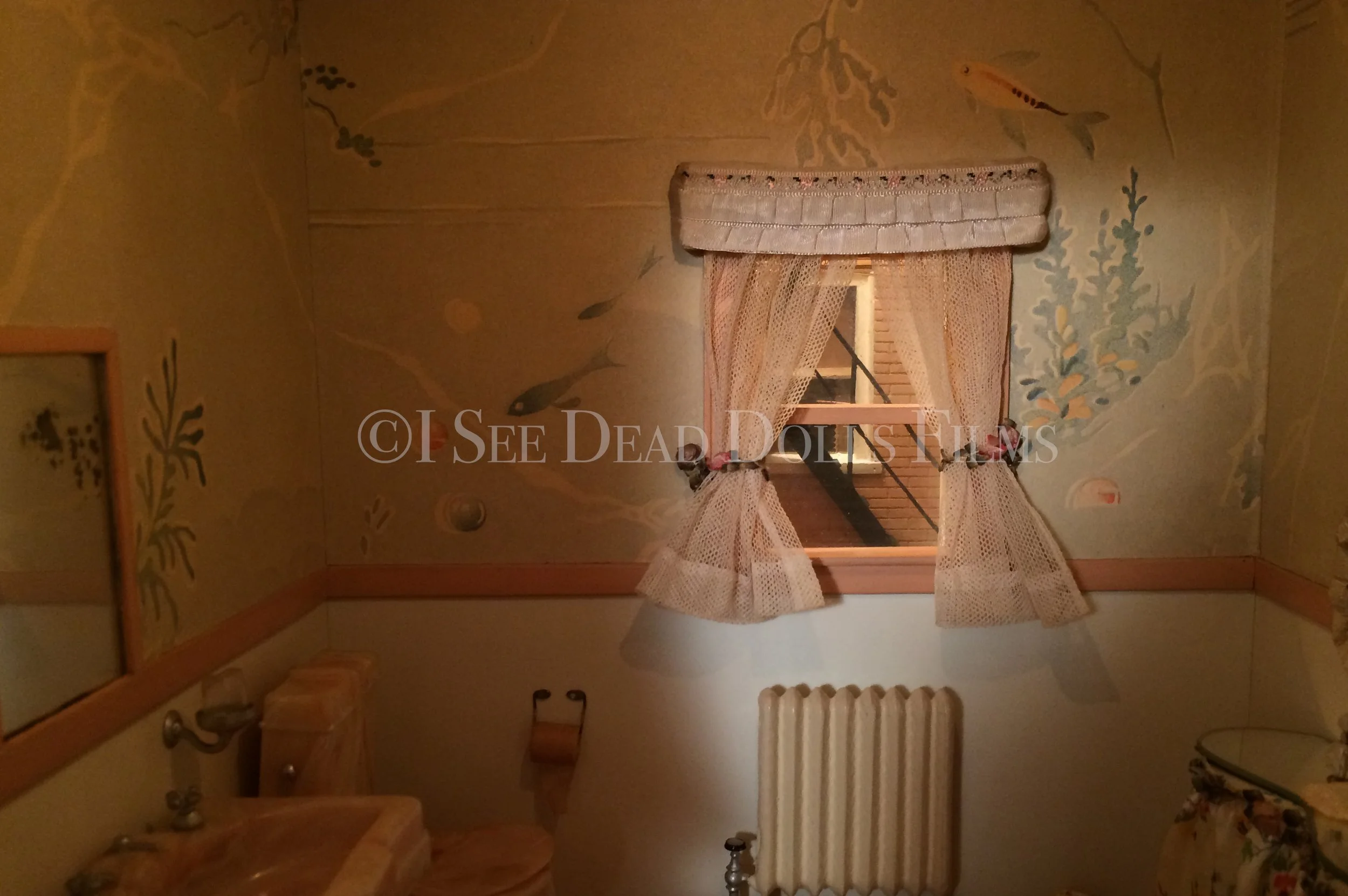
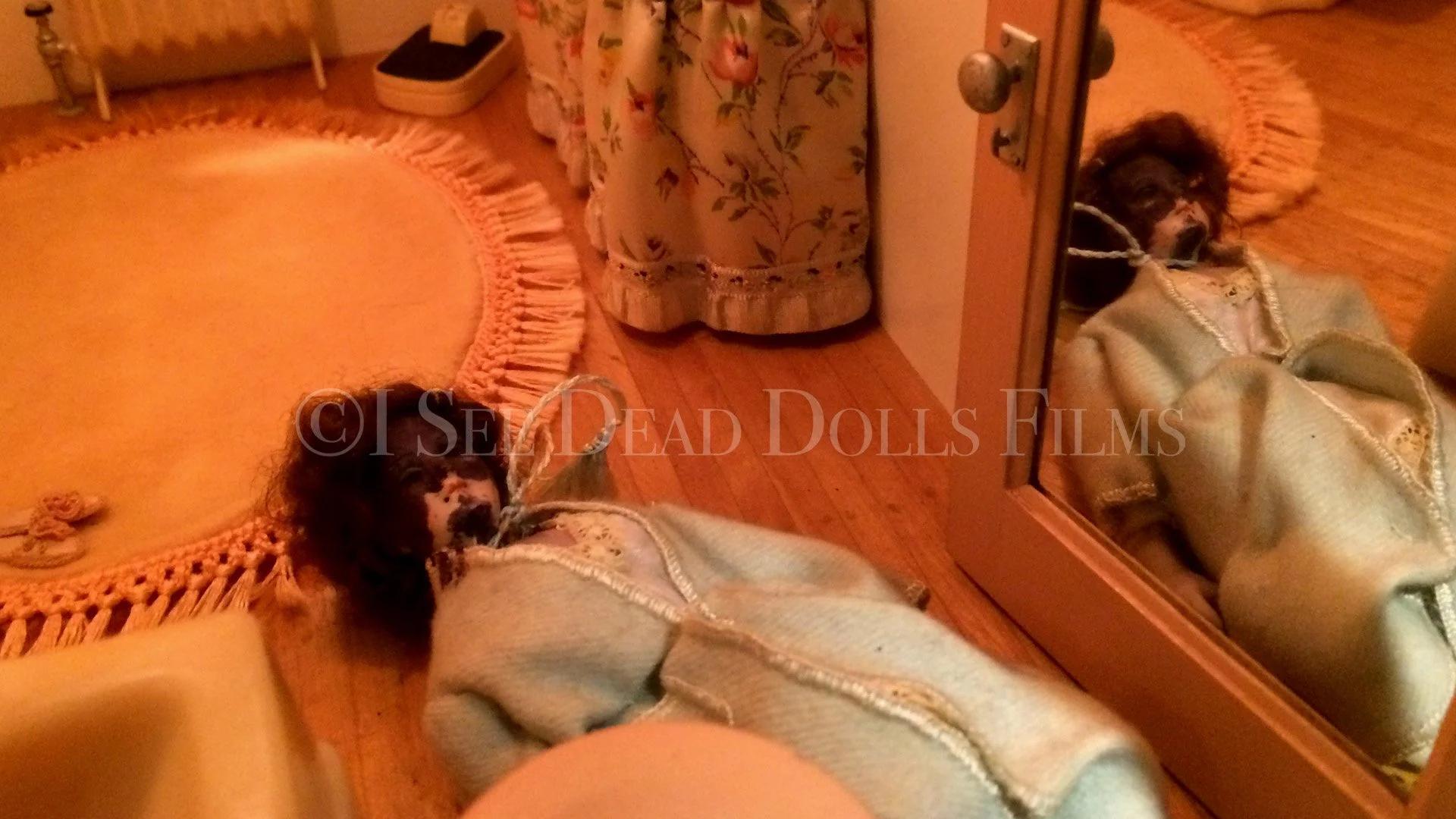
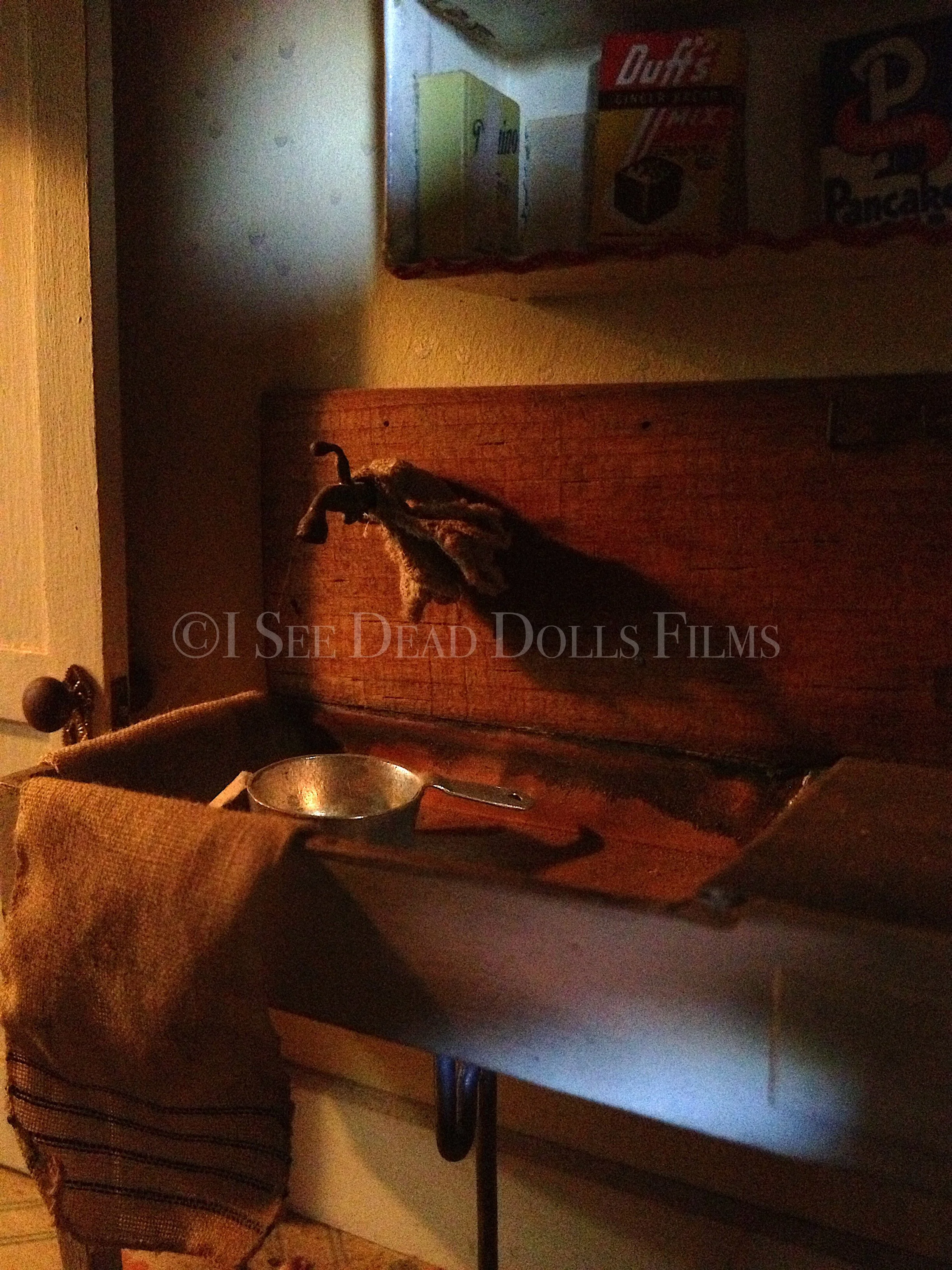
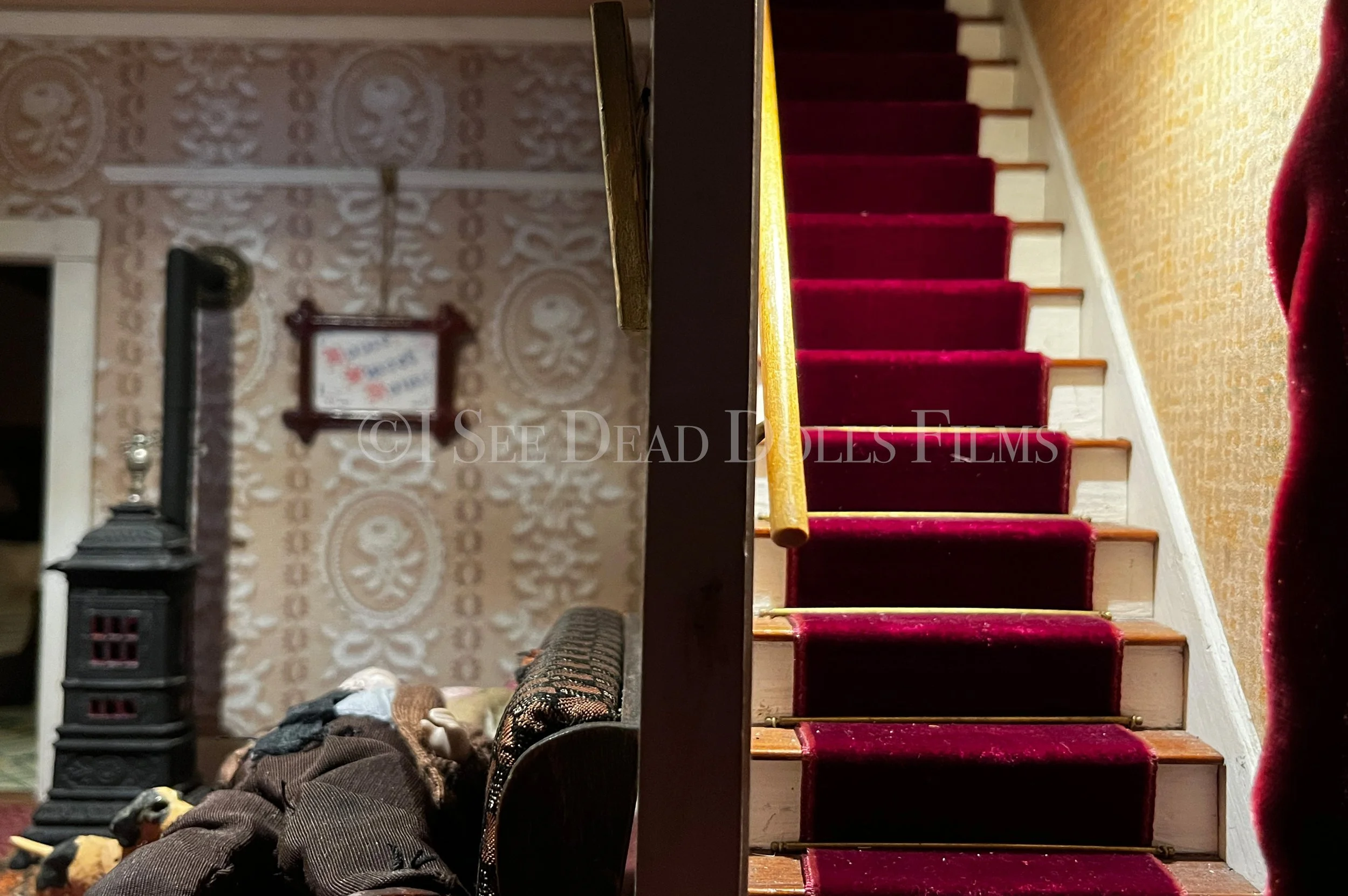
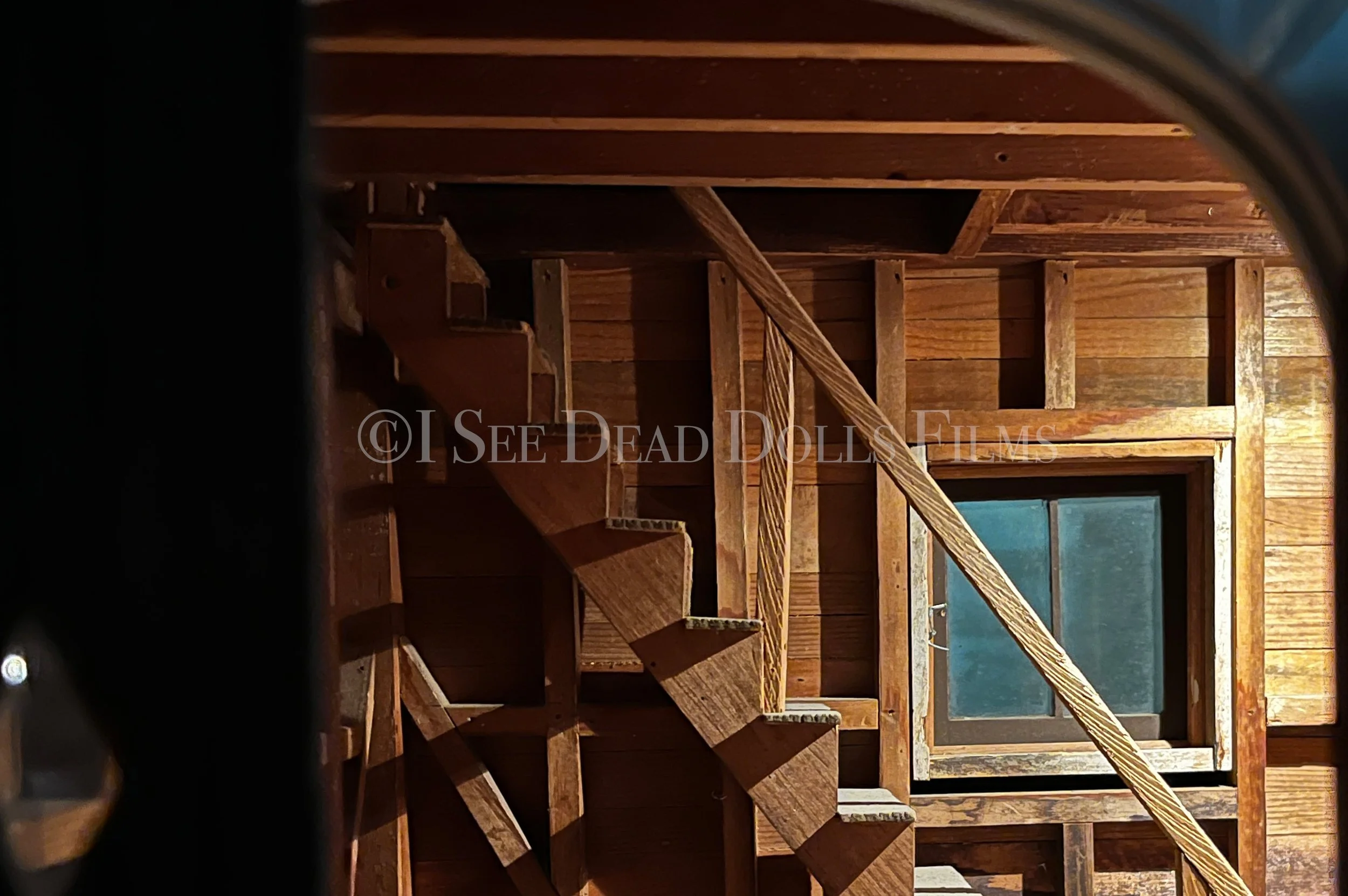
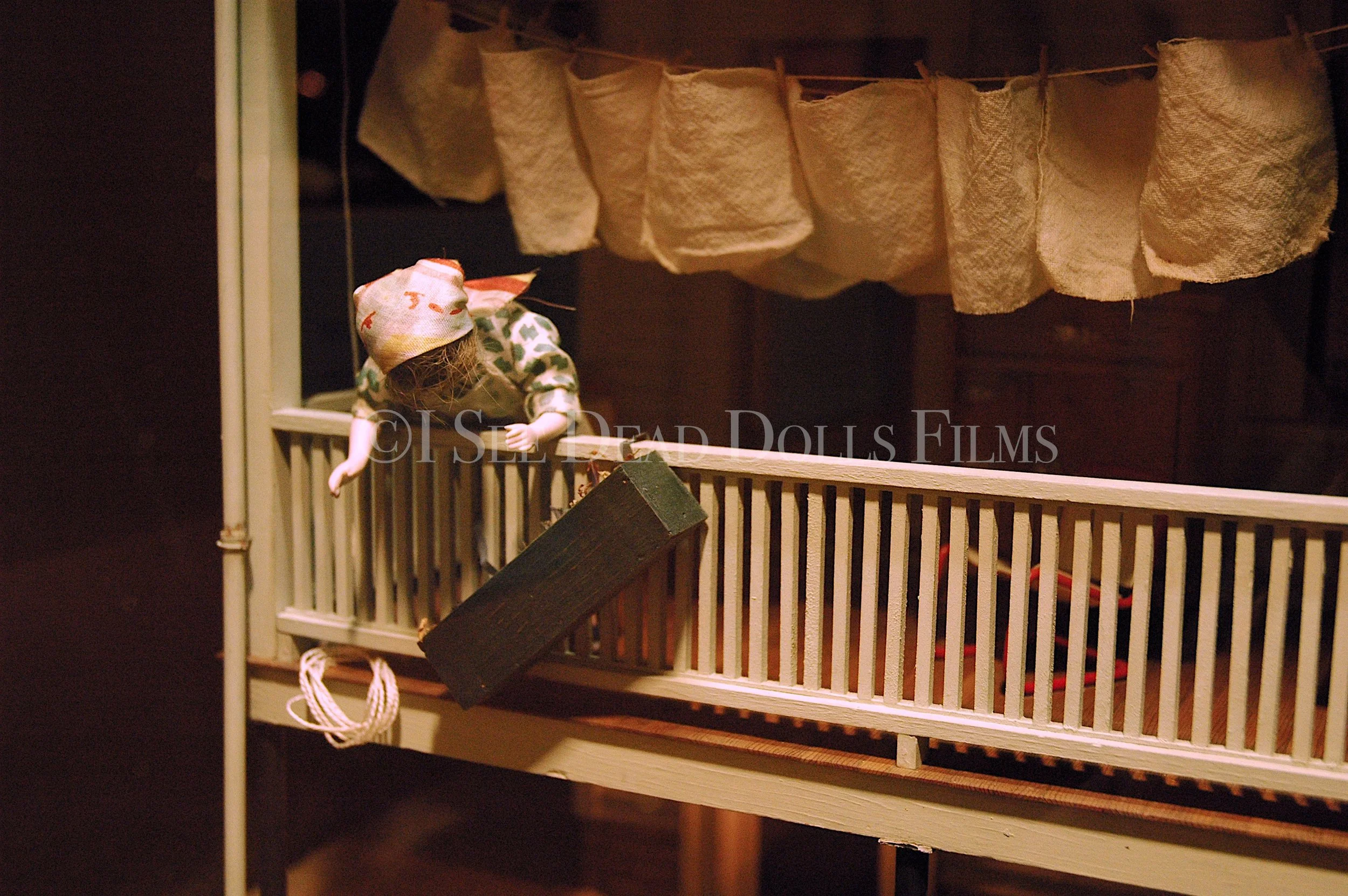
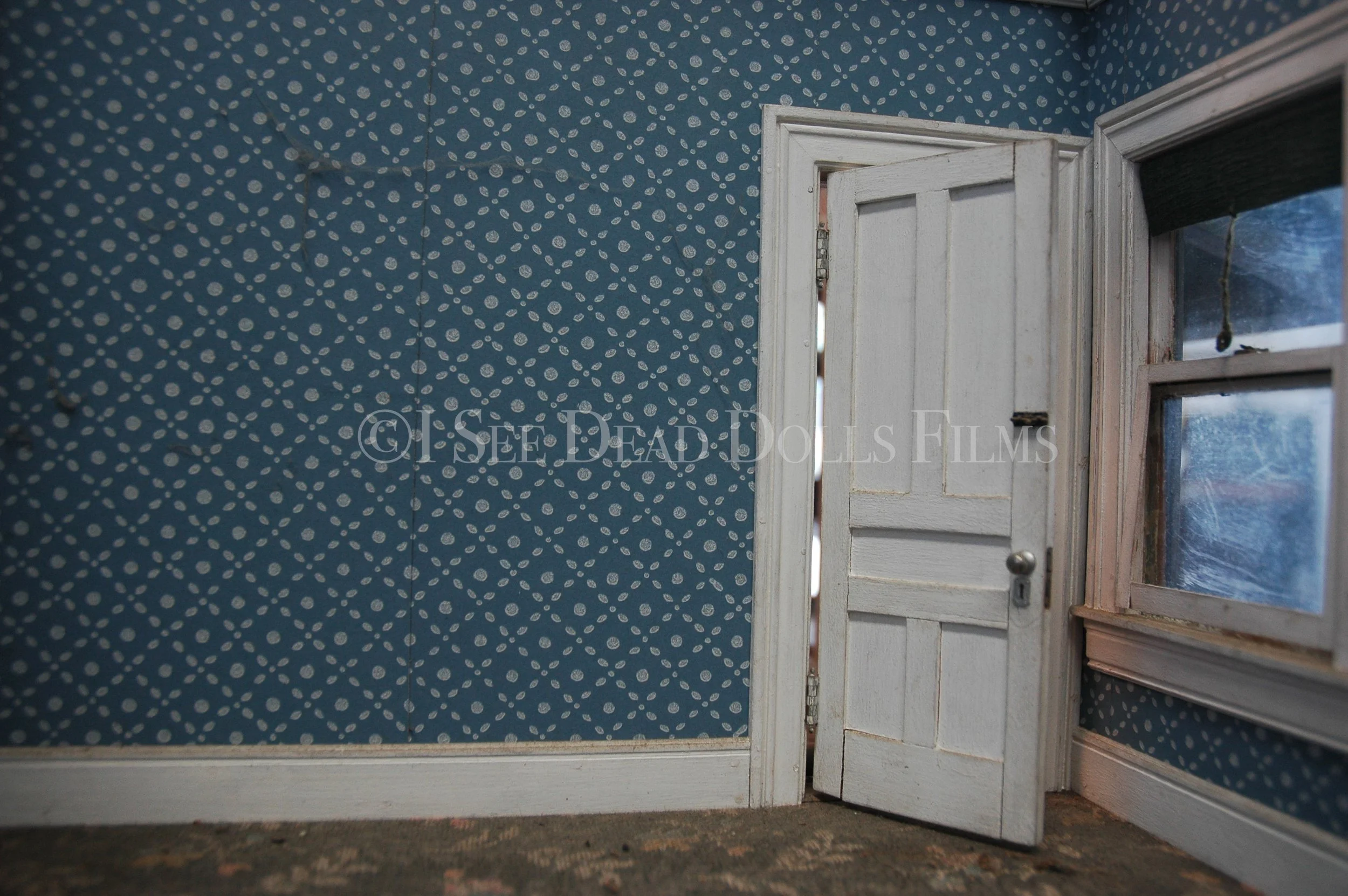
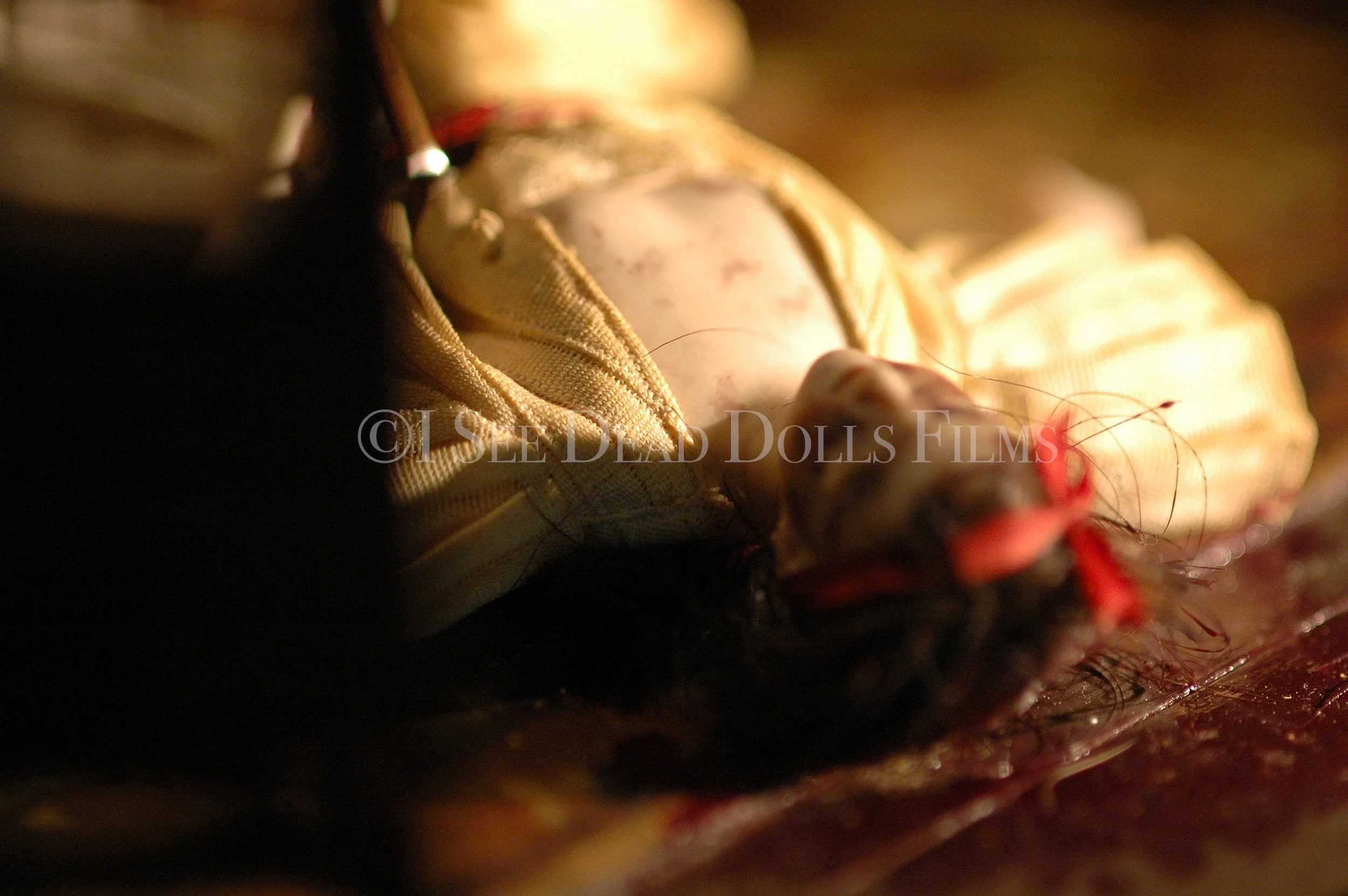
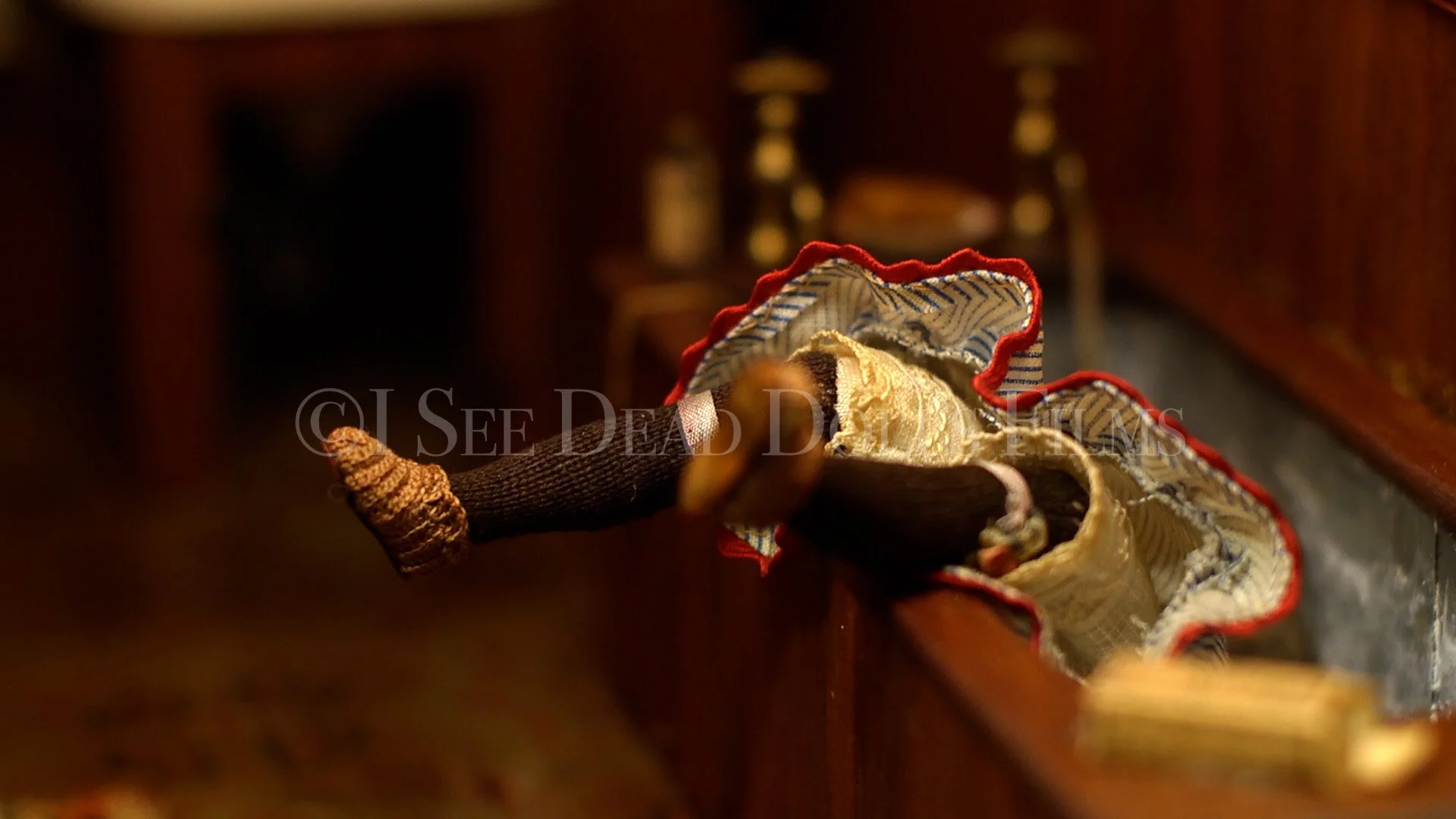
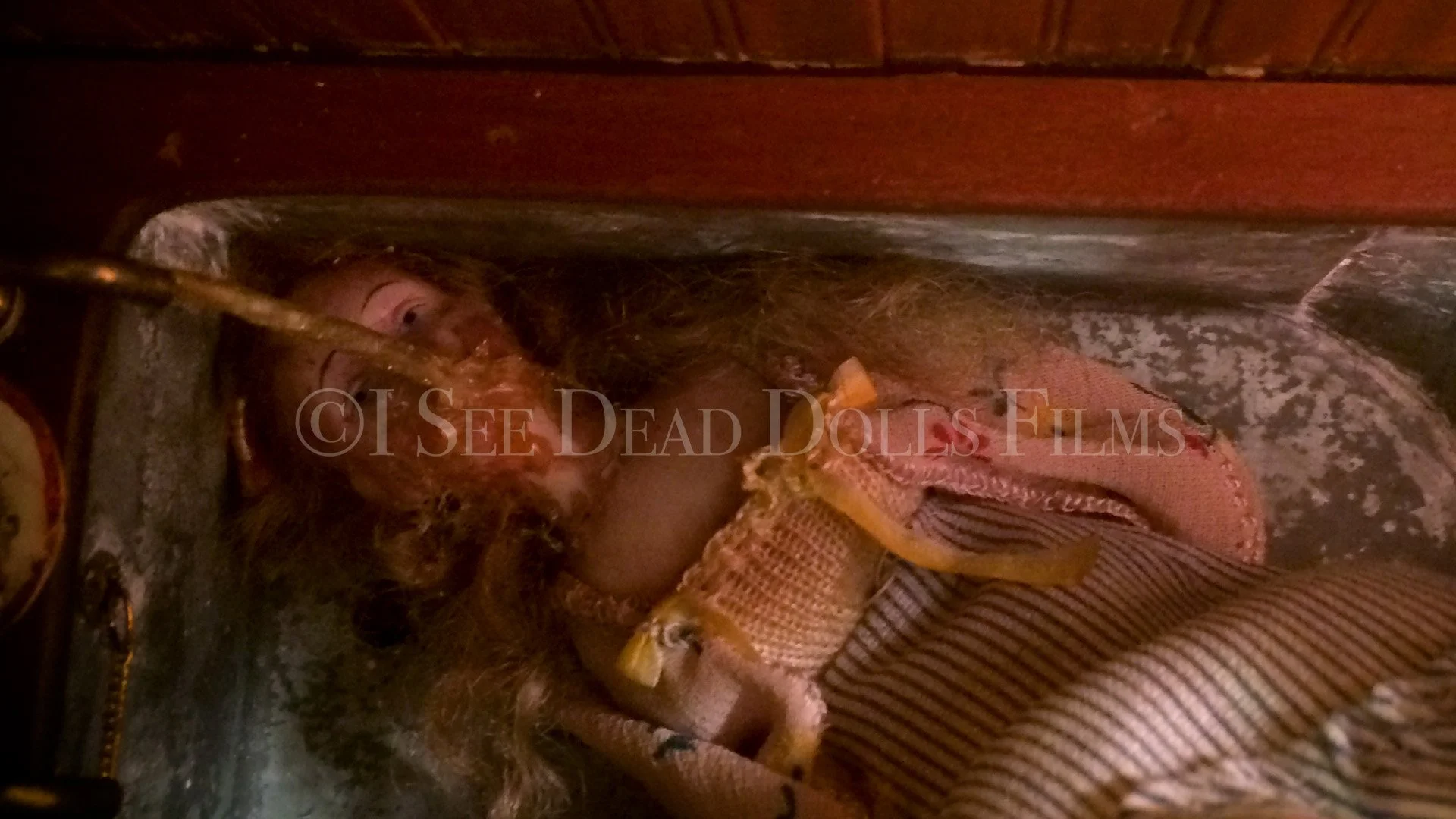
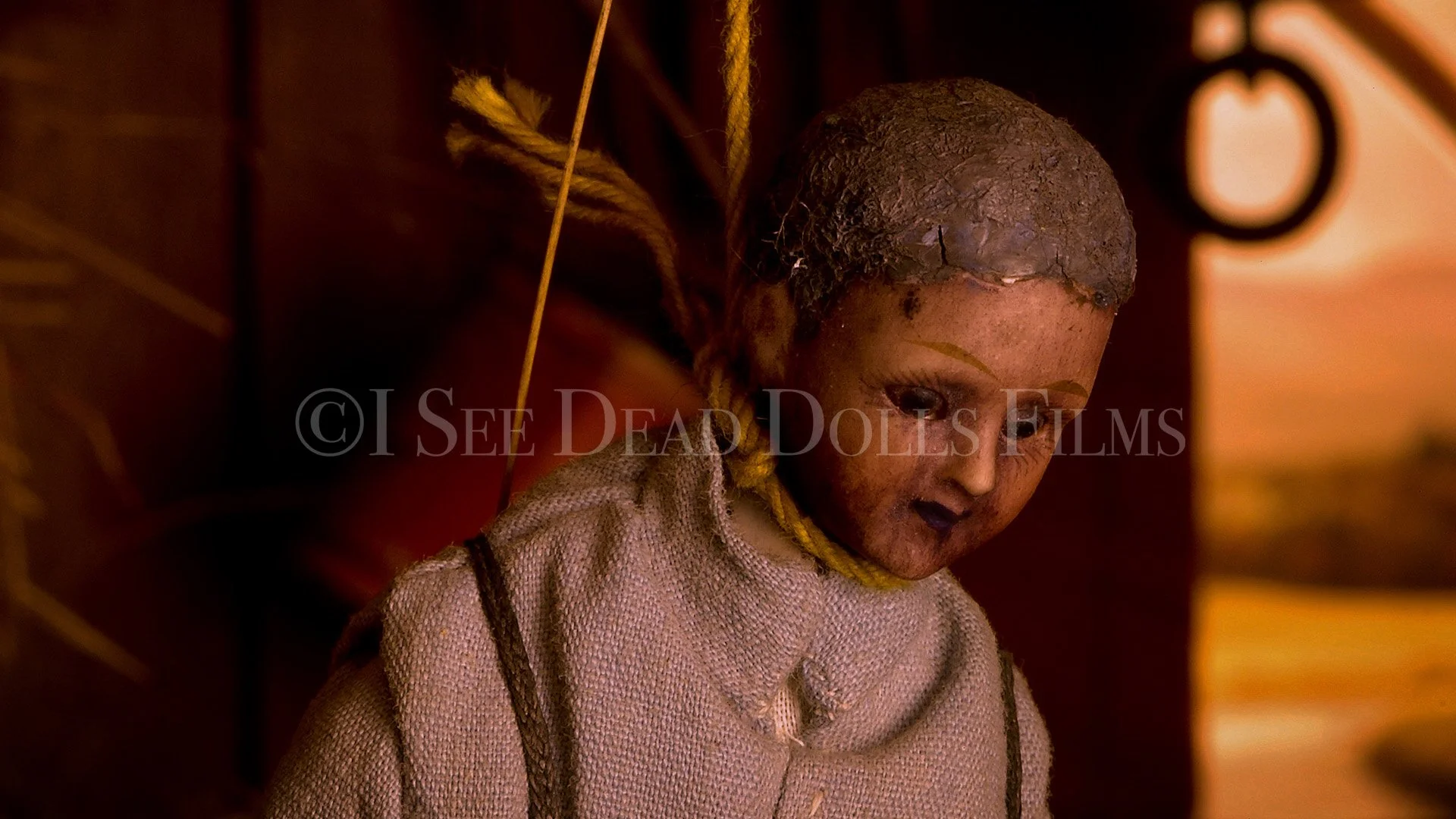
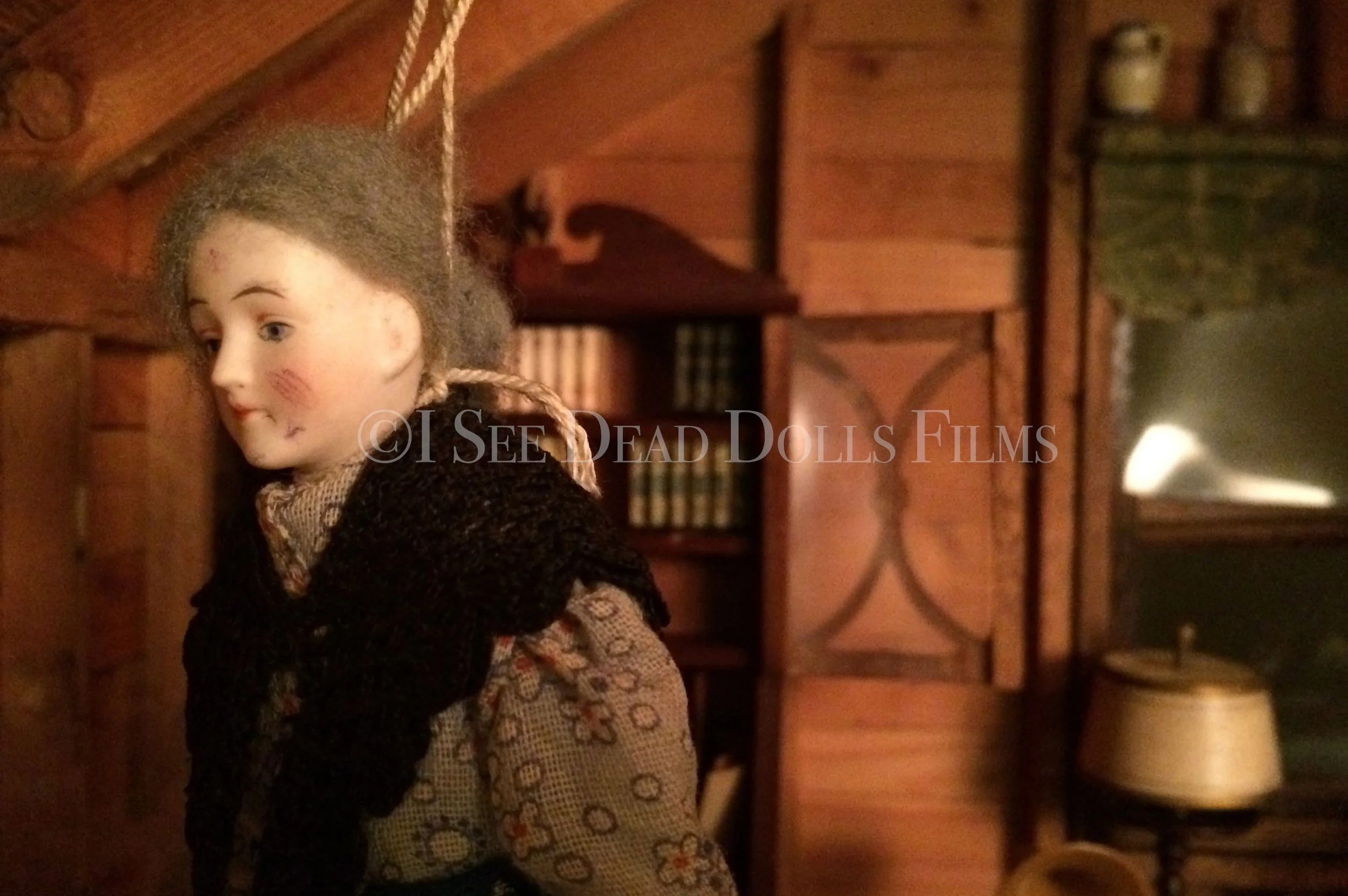
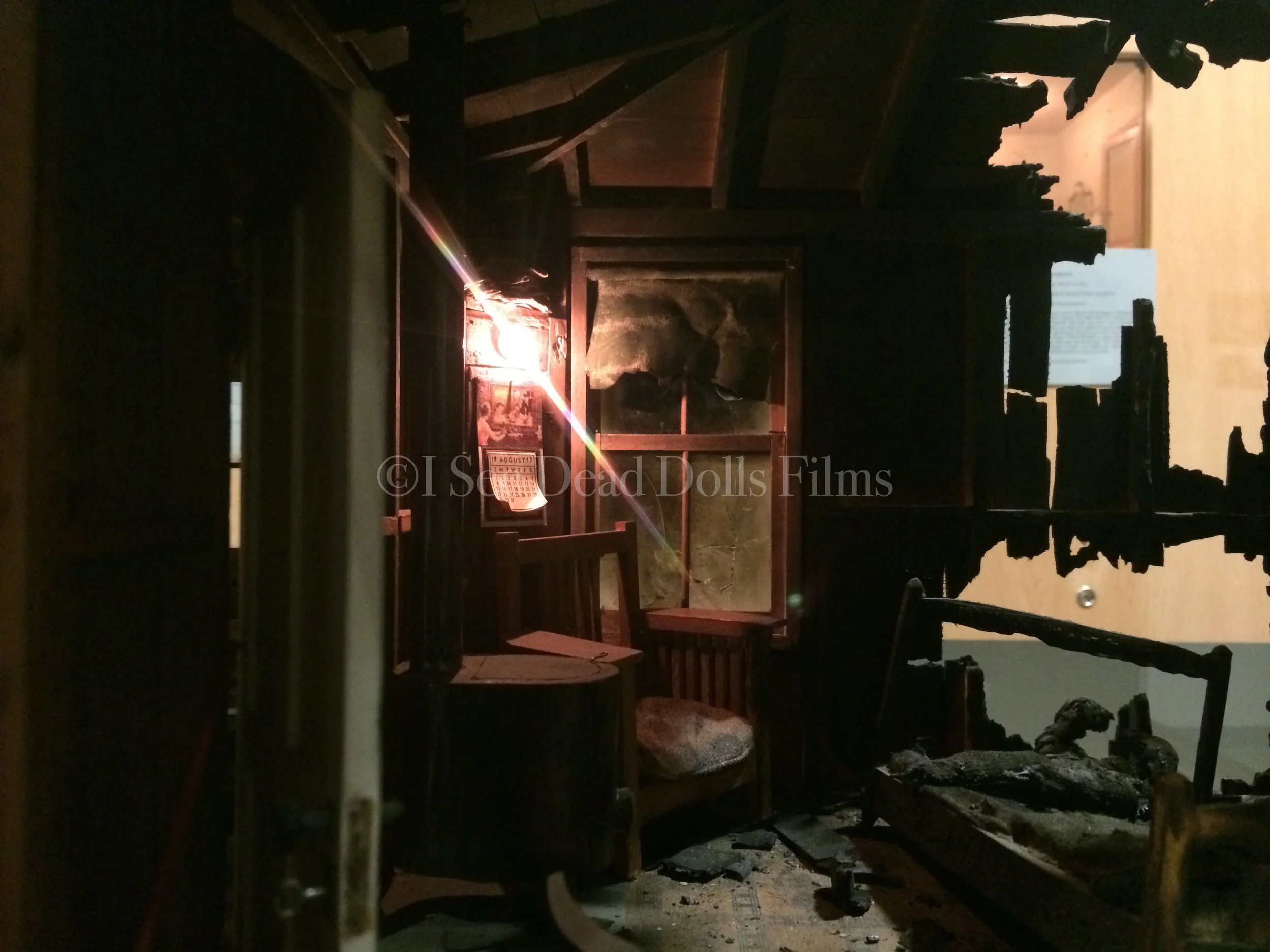
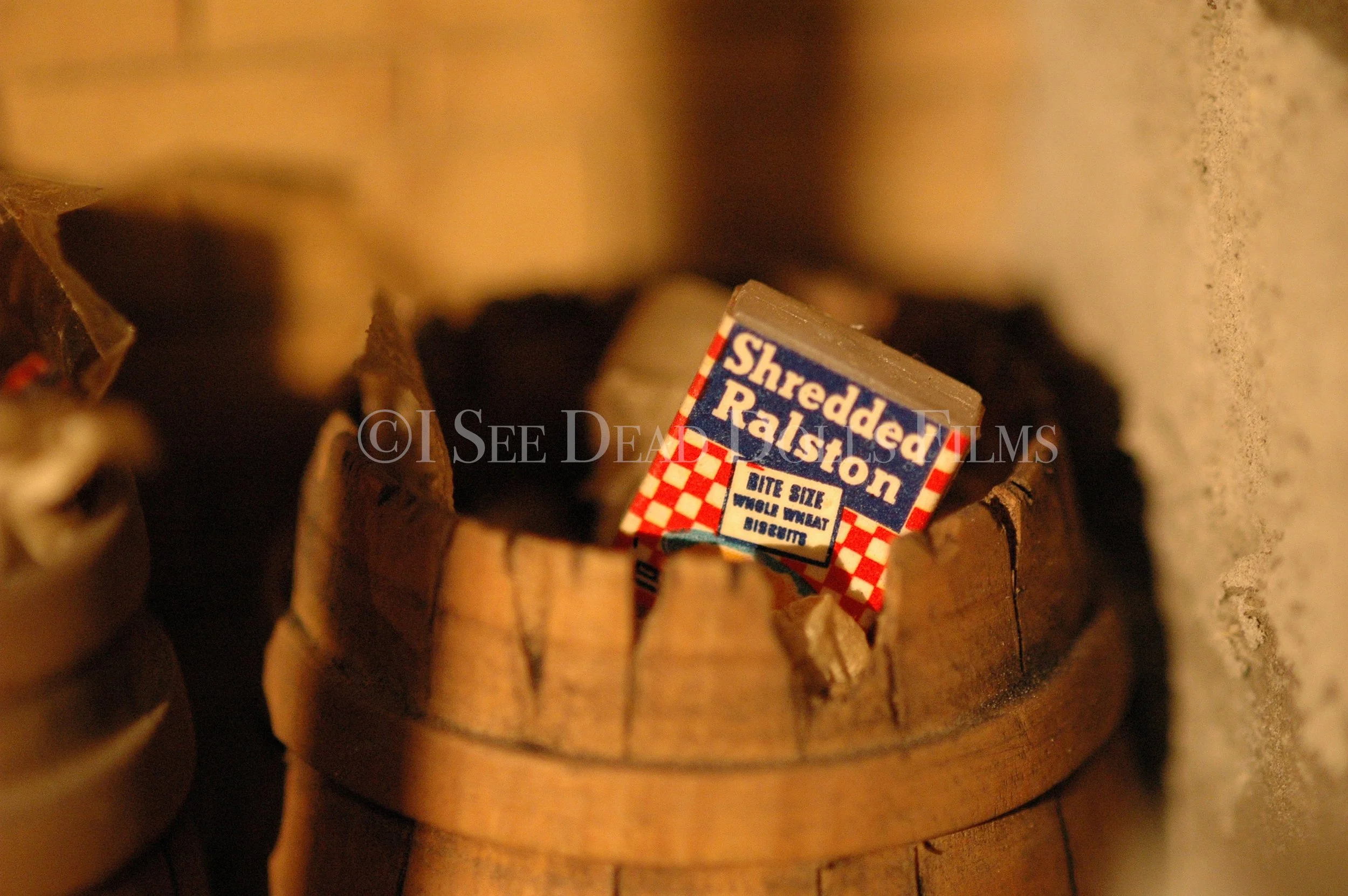
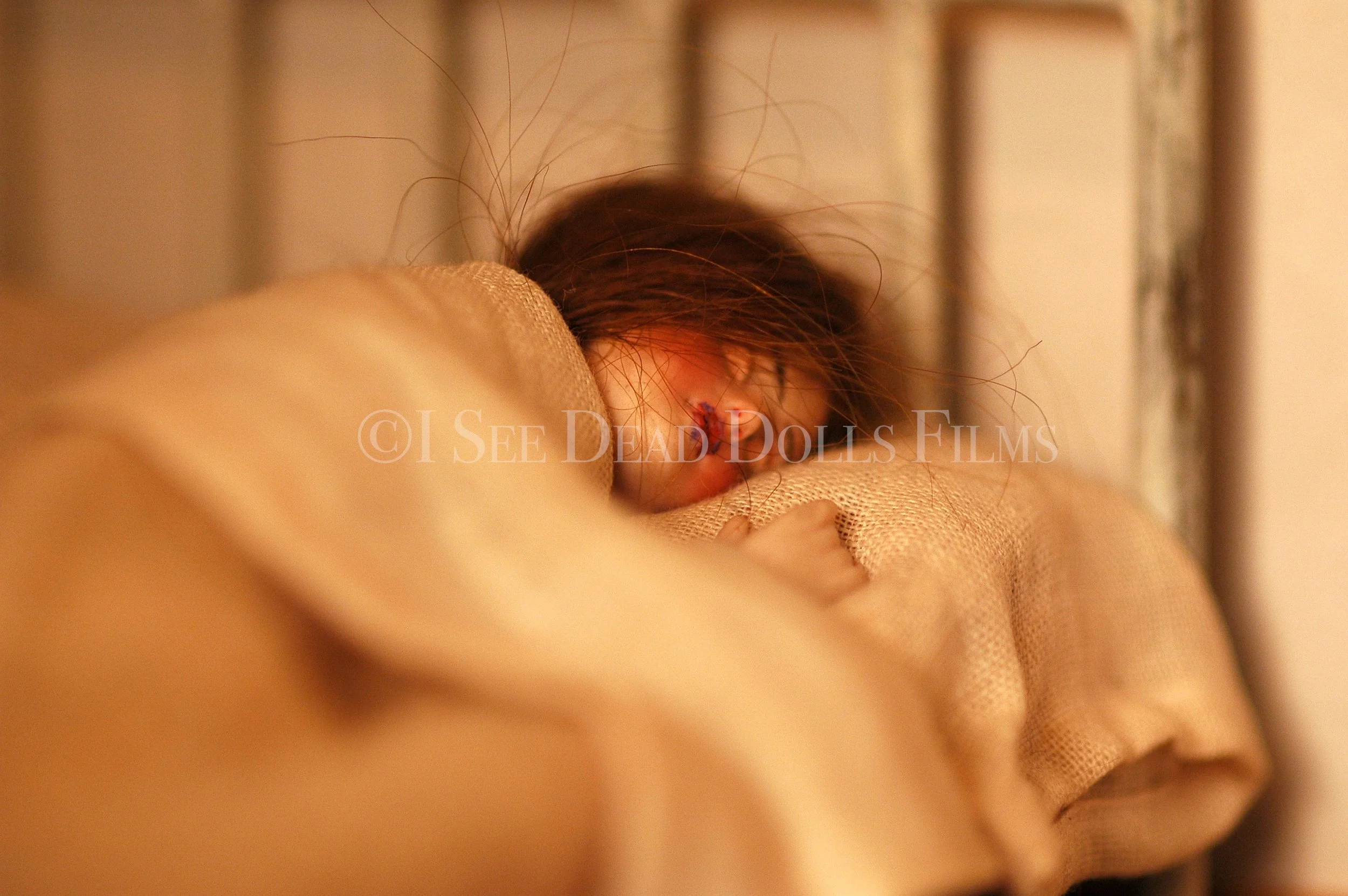
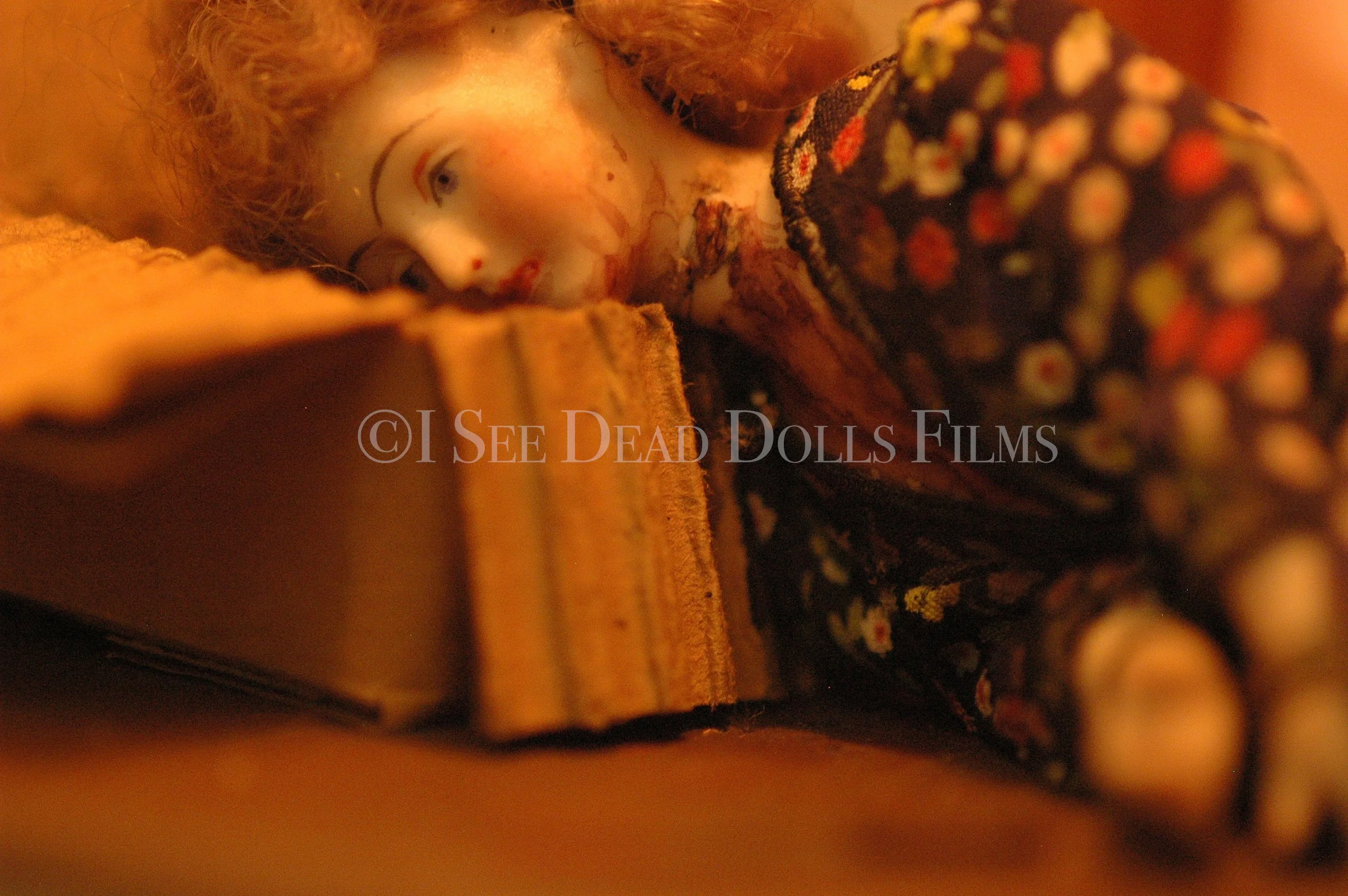
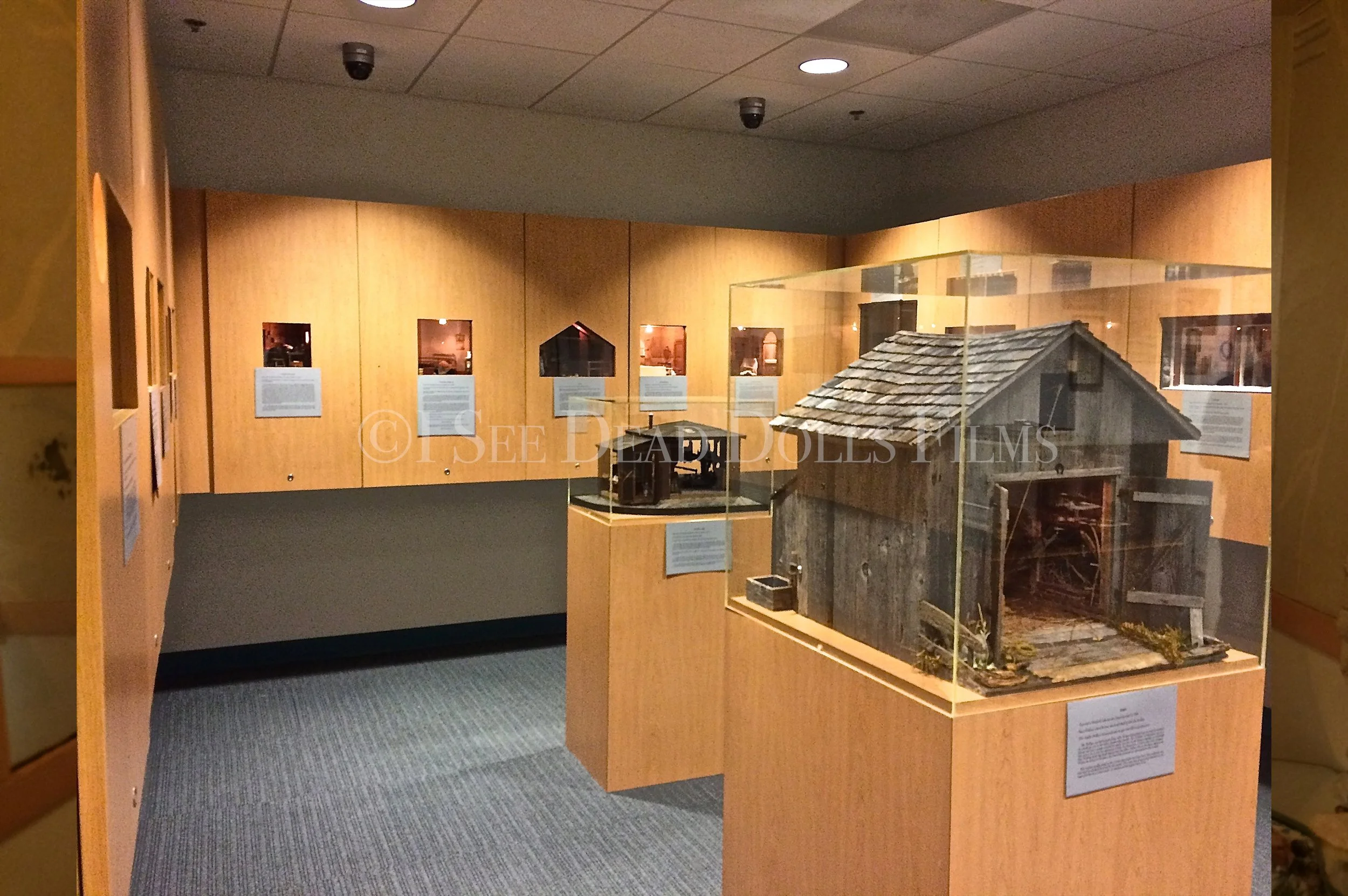
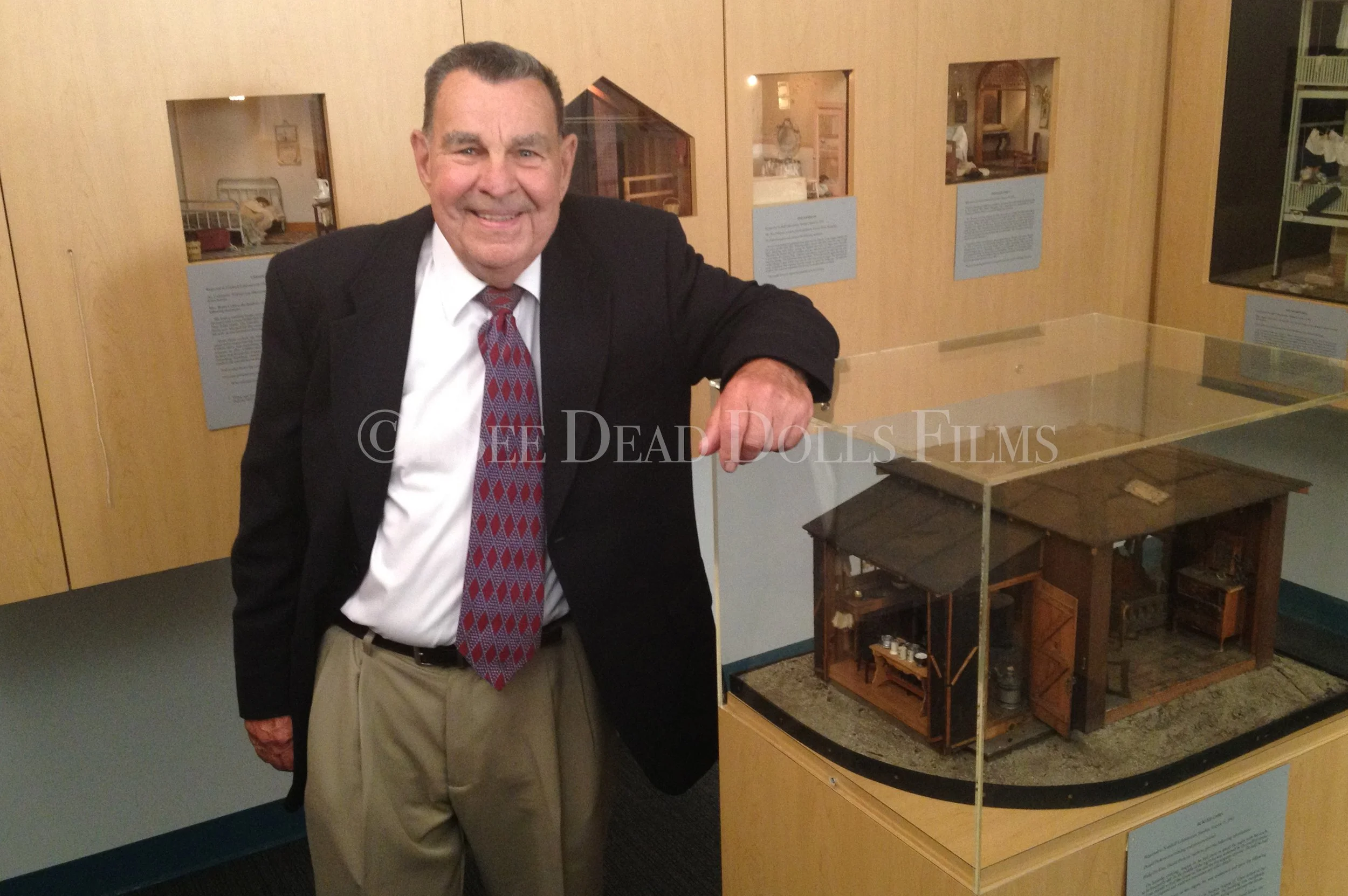
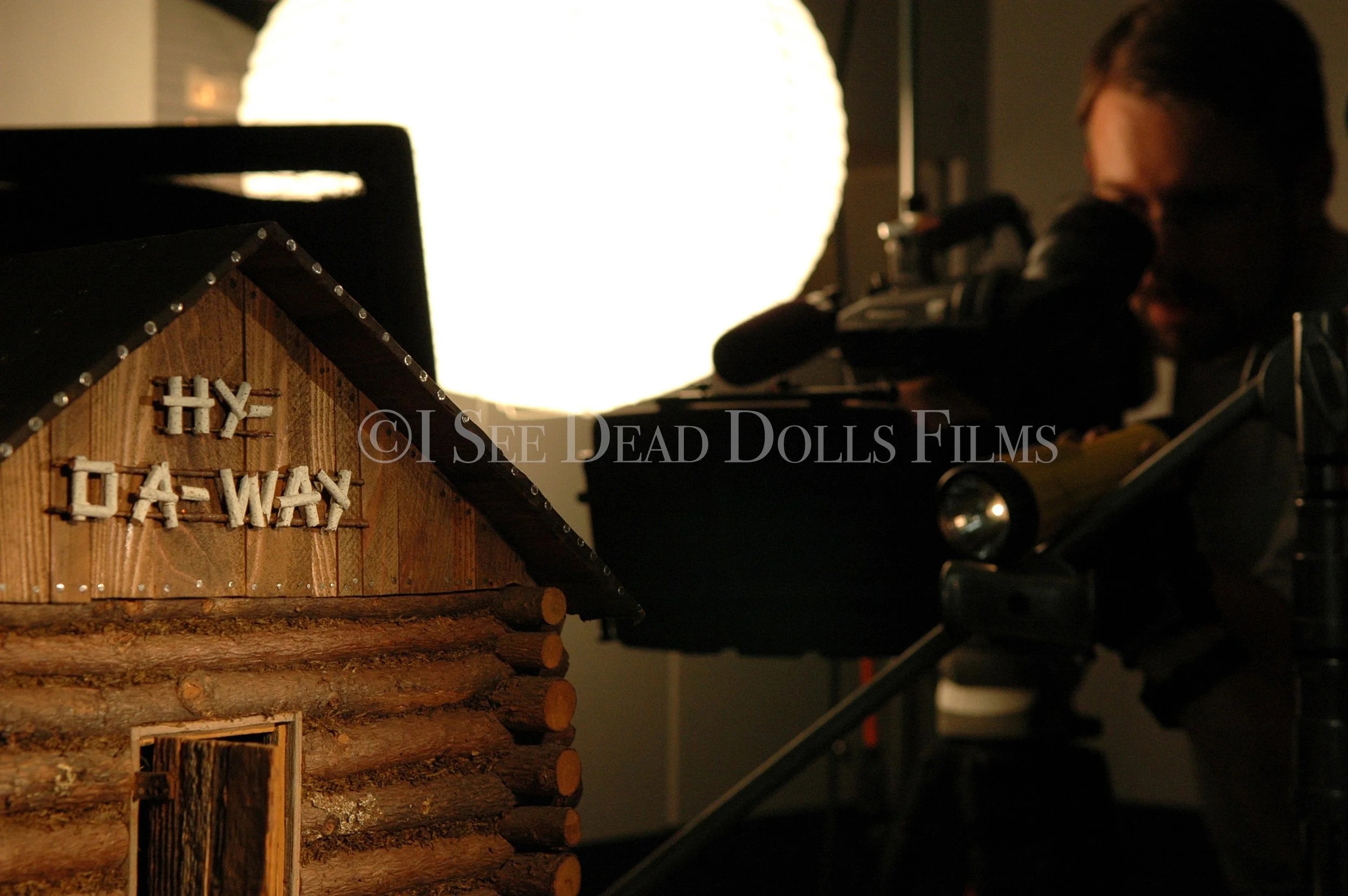
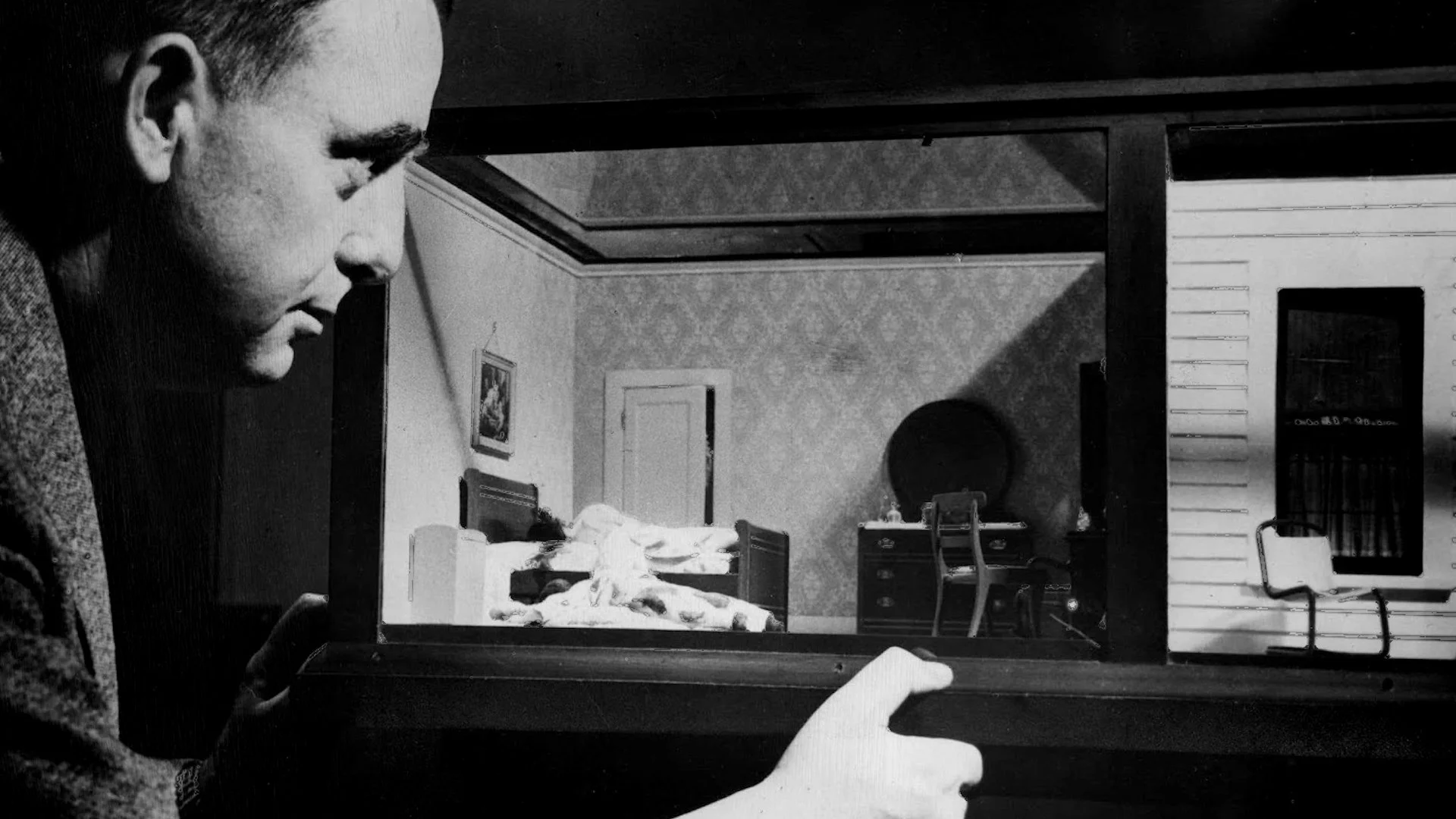
The Nutshell Studies of Unexplained Death were created by Frances Glessner Lee and her two carpenters, Ralph and his son, Alton Moser. Lee’s vision for the Nutshells was to train police to sharpen their skills of observations. These tiny works of art with a 1:12 scale are still in use today as training tools at the Maryland Office of the Chief Medical Examiner.
For the Nutshell narratives, Frances used a composite of actual cases – some infamous and others more obscure. She purposely used cases that could easily be misinterpreted and misruled to create a challenge for officers attending her seminar series. By disclosing the dark side of domesticity, Lee subversively sent the message to police that they need to investigate without prejudice.
But more than teaching tools, Lee created an intricate world that grips you and never lets you go. It’s hard to miss the themes of isolation, vulnerability, and oppression that radiate from the Nutshells. You can’t help but want to know more – more about the Nutshells and more about the woman who created them.
Eighteen out of the original 20 completed Nutshells survived. When the Nutshells were transported from Harvard to the Maryland OCME, one was crushed beyond repair, and another one was missing for almost 50 years. Turns out the missing Nutshell was at The Rocks – Lee’s home turned headquarters for the Society for the Protection of New Hampshire Forests – hiding in plain sight.
The Murder in a Nutshell documentary explores the 19 Nutshells and two others that were started but never quite finished. Unfortunately, the unfinished Nutshell that Lee’s great-grandchildren are looking at in the film was destroyed by a massive fire in 2019.